
 By
Good health is often built through small decisions made every day. Taking a short walk, choosing a balanced meal, drinking enough water, or getting up from a desk after sitting for hours may not seem especially important on its own. Yet these simple habits can contribute to a healthier lifestyle over time.
Circulation is one part of health that often receives attention only when something feels wrong. People may notice tired legs after work, swelling around the ankles, or discomfort after standing for long periods without immediately connecting these symptoms to their daily routines. Although such symptoms can have several causes, paying attention to movement and other everyday habits is a practical way to support overall well-being.
Healthy circulation allows blood to deliver oxygen and nutrients throughout the body. The heart, blood vessels, and surrounding muscles all play a role in this process. While lifestyle changes cannot prevent every circulatory condition, they can support cardiovascular health and help people build routines that encourage regular movement.
When symptoms continue or visible veins become painful, professional evaluation can help determine whether treatment is appropriate. For people in the San Antonio area, healthier legs through vein treatment in San Antonio is a resource for learning about vein assessment and available treatment options at Texas Vein Experts.
The clinic evaluates varicose veins, spider veins, and chronic venous insufficiency. Assessment may include a consultation and duplex ultrasound to help identify the source of the problem. Depending on the findings, a specialist may recommend conservative measures or minimally invasive procedures such as radiofrequency ablation, VenaSeal, Varithena, or sclerotherapy.
Understanding Why Healthy Circulation Matters
The circulatory system includes the heart and a network of blood vessels that carry blood throughout the body. Arteries transport blood away from the heart, while veins return it. This process supplies tissues with oxygen and nutrients and helps carry away waste products.
Circulation in the legs has an additional challenge because blood must travel upward against gravity to return to the heart. One-way valves inside the veins help keep blood moving in the right direction, while the muscles in the calves assist by squeezing the veins during movement.
When these valves weaken or become damaged, blood may flow backward and collect in the veins. This can contribute to varicose veins and chronic venous insufficiency, which may cause symptoms such as aching, heaviness, swelling, and visible enlarged veins.
Not every circulation problem is caused by lifestyle, and a person can develop vein disease even when they exercise regularly. Age, family history, pregnancy, and other individual factors can influence vein health. Still, understanding how everyday routines affect movement is a useful first step toward making informed choices.
Make Walking a Regular Part of Your Day
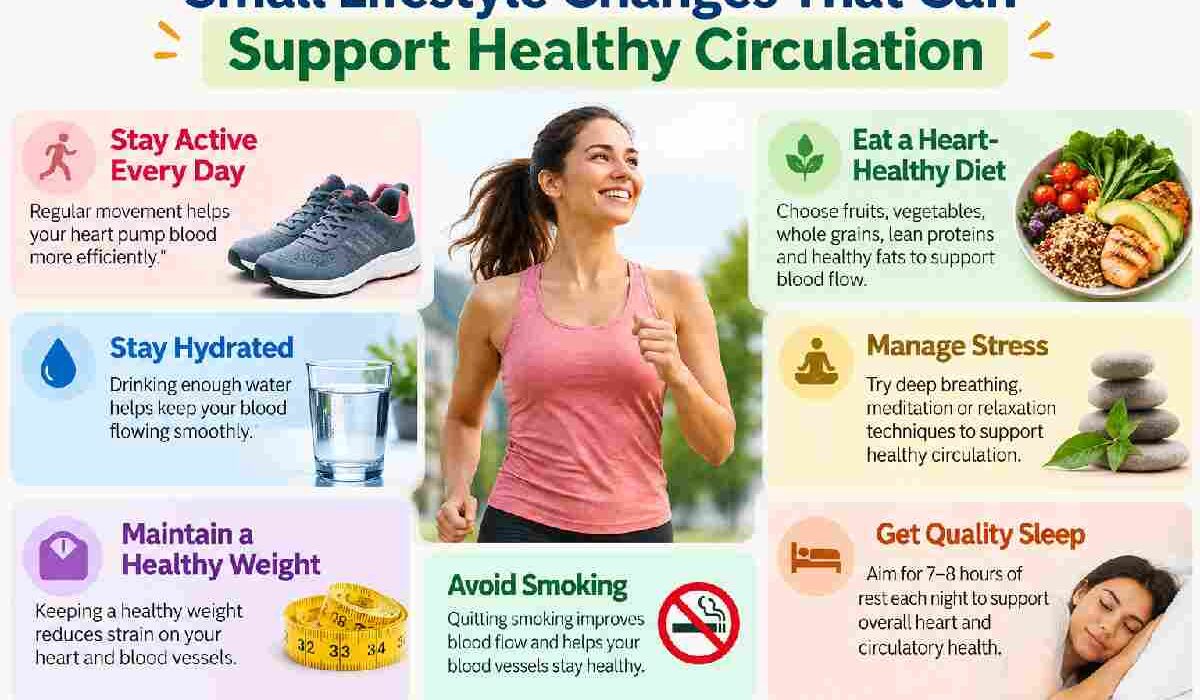
Walking is one of the simplest ways to add movement to an otherwise sedentary routine. It requires little equipment, can often be fitted into a busy schedule, and activates the calf muscles that help support blood returning through the veins.
You do not need to begin with long walks or a demanding fitness plan. A short walk in the morning, a few minutes outside during a lunch break, or a stroll after dinner can help you move more regularly. If you work from home, walking while taking a phone call may be an easy way to break up time spent at your desk.
Consistency is more important than trying to do everything at once. People who are new to exercise can begin with a comfortable pace and gradually increase the duration as their fitness allows. Those with mobility limitations or existing medical conditions should choose activities that suit their abilities and follow professional guidance when needed.
Walking is not a cure for vein disease, but regular physical activity supports general health and helps reduce long periods of inactivity. It can also make everyday movement feel more natural rather than something that needs to be scheduled as a separate task.
Break Up Long Periods of Sitting or Standing
Many daily routines involve staying in one position for hours. Office workers may remain seated throughout meetings, drivers may spend much of the day on the road, and people in retail, hospitality, or healthcare may stand for extended periods.
Remaining still for too long reduces regular muscle activity. In the legs, this means the calf muscles are not contracting as frequently to help move blood through the veins. Prolonged sitting can also contribute to stiffness and discomfort, while extended standing may make leg symptoms more noticeable in some people.
A practical solution is to change positions regularly. Stand up between meetings, stretch gently after completing a task, or walk around for a few minutes during a break. If standing for long periods is part of your job, shifting your weight and taking seated breaks when possible may help improve comfort.
For long journeys, plan opportunities to stop and move when it is safe to do so. During flights or other situations where movement is limited, gentle ankle movements and calf contractions can help keep the muscles active.
People with additional risk factors for blood clots should ask a healthcare professional about appropriate precautions during long periods of travel or immobility. Sudden swelling or pain in one leg should not be treated simply as a result of sitting too long.
Support Circulation Through Balanced Nutrition
Healthy circulation is supported by more than movement alone. A balanced eating pattern contributes to cardiovascular health and provides the nutrients the body needs to function properly.
Meals that include vegetables, fruits, whole grains, legumes, nuts, and suitable sources of protein can help support overall health. Limiting excessive sodium may be helpful for people managing high blood pressure or fluid retention, depending on their individual needs.
Hydration also plays a role in normal bodily function. Drinking fluids regularly throughout the day is sensible, particularly during exercise or warm weather. However, drinking extra water is not a specific treatment for varicose veins or damaged vein valves. Anyone who has been advised to restrict fluid intake should follow their healthcare professional’s recommendations.
Rather than following restrictive diets or searching for a single food that promises to improve circulation, focus on eating patterns you can maintain. Preparing meals ahead of time, keeping nutritious snacks available, and making gradual adjustments can be more practical than trying to change everything overnight.
A balanced approach to nutrition works best alongside movement, adequate rest, and appropriate medical care when needed.
Pay Attention to Leg Symptoms
One of the most valuable lifestyle changes is learning to recognize when something does not feel right. Occasional tiredness after a busy day is common, but persistent discomfort deserves attention, particularly when it affects walking, working, or sleeping.
Possible symptoms of vein-related problems include aching, heaviness, swelling around the ankles, itching, nighttime cramps, and enlarged or twisted veins visible beneath the skin. Some people also develop changes in the colour or texture of the skin around the lower legs.
These symptoms can have different causes, so they should not automatically be attributed to poor circulation or varicose veins. A healthcare professional can assess your medical history and symptoms and determine whether additional testing is appropriate.
A duplex ultrasound may be used to examine blood flow and evaluate how the valves in the leg veins are functioning. This can help identify venous reflux and guide decisions about suitable care.
It is important to seek urgent medical assessment for sudden swelling in one leg, especially if it is accompanied by pain, warmth, or redness, because these symptoms may indicate a blood clot. Sudden chest pain or difficulty breathing requires emergency medical attention.
Healthy habits can support general well-being, but they should never replace an assessment when concerning symptoms appear.
Build Recovery and Rest Into Your Routine
Rest is another important part of a balanced lifestyle. People who spend their days working, commuting, exercising, or caring for family members may overlook the value of giving themselves time to recover.
Adequate sleep supports general health, while short breaks during the day can help reduce physical and mental fatigue. Gentle stretching after a long period of sitting or standing may also improve comfort. For some people, elevating the legs for a short time can temporarily ease swelling, depending on its cause.
However, rest should not become a substitute for investigating persistent symptoms. If leg heaviness, swelling, or aching continues to return, simply taking more breaks may not address the underlying issue.
It is also worth remembering that a healthy routine should be realistic. A person with a demanding job or family responsibilities may not have time for lengthy workouts every day. Small changes, such as taking the stairs when appropriate, walking during a break, or stretching between tasks, can help create a more active day without adding unnecessary pressure.
When Lifestyle Changes Are Not Enough
Although movement and healthy habits can support general circulation, they cannot correct every medical condition. Varicose veins, for example, may develop when the valves inside the veins no longer prevent blood from flowing backward effectively.
Not every patient needs a procedure, and treatment depends on the diagnosis, symptoms, and individual medical history. A qualified provider can explain the available options, potential risks, and expected recovery so patients can make informed decisions.
Seeking medical advice is not a sign that lifestyle changes have failed. It simply recognizes that some health concerns require a more targeted approach.
Conclusion: Small Habits Can Make a Meaningful Difference
Supporting healthy circulation does not have to involve complicated routines or dramatic lifestyle changes. Walking regularly, taking breaks from prolonged sitting or standing, eating balanced meals, getting enough rest, and paying attention to unusual symptoms are practical steps that can fit into everyday life.
These habits support general well-being, but they cannot guarantee that vein problems will never develop. Genetics, age, pregnancy, and other factors can influence circulation even in people who take good care of themselves.
The most useful approach is to combine consistent self-care with awareness of your body’s needs. If leg discomfort, swelling, heaviness, or visible vein changes persist, seek professional guidance rather than assuming the symptoms will disappear on their own.
Healthy circulation is supported by the choices we make over time. Start small, choose habits that work for your lifestyle, and remember that knowing when to seek medical advice is just as important as maintaining a healthy routine.