

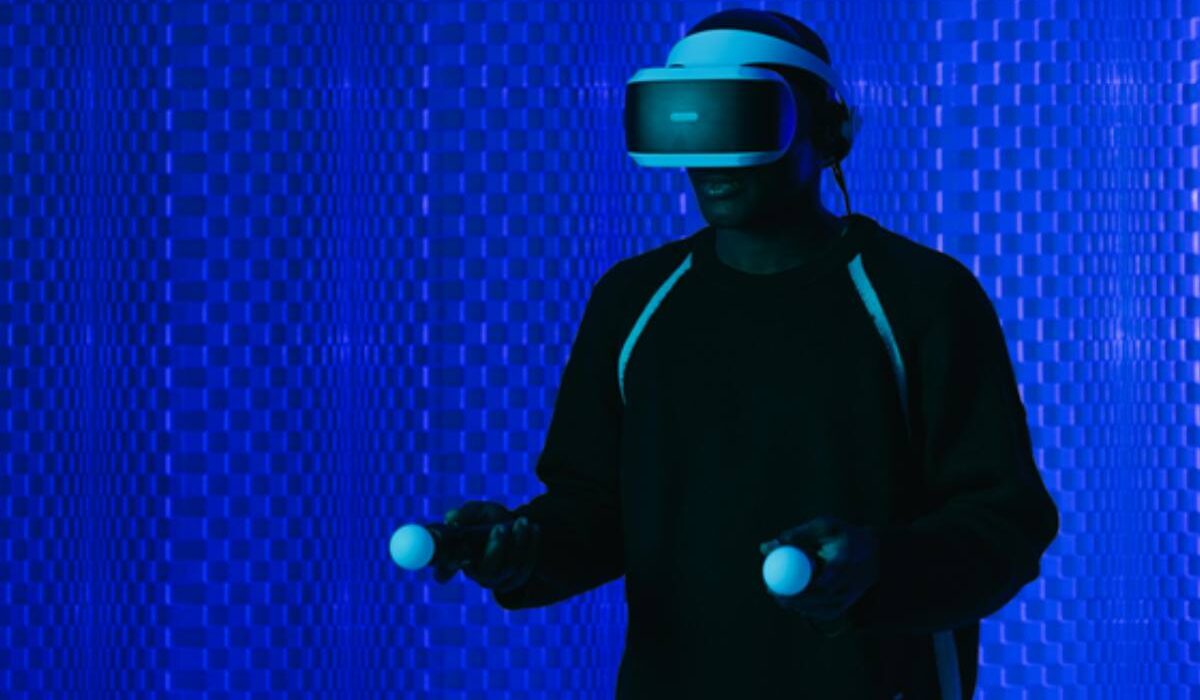
Gaming has changed so much in the past few years, it’s honestly wild. I remember when the biggest tech leap was going from 2D to 3D graphics. Now? We’re literally stepping inside games.
If you’re a gamer (or just curious about where this whole industry is heading), you’ve probably noticed things are moving fast. Really fast. Here are five ways technology isn’t just improving games–it’s completely flipping the script on what gaming can be.
1. Virtual Reality: It’s Like Being There (Because You Kind Of Are)
VR used to be this thing we saw in movies and thought, “Maybe someday.” Well, someday is here, and it’s pretty incredible.
I tried a Meta Quest for the first time last year. Within five minutes, I was dodging fireballs in some fantasy dungeon, and my brain genuinely forgot I was standing in my living room. That’s the thing about VR–it doesn’t just show you a game world, it puts you in one.
Sure, the headsets can be pricey. And yes, you might look ridiculous flailing around your room. But when you’re exploring alien worlds or solving puzzles that feel real enough to touch? Totally worth it.
The tech still has some quirks. Motion sickness is real (trust me on this one). But developers are getting better at designing games that work with our brains instead of against them.
2. Cloud Gaming: Your Phone is Now a Gaming Console
This one’s a game-changer, literally. Remember when you needed a $2,000 gaming rig to play the latest AAA titles? Those days are ending.
Cloud gaming means the heavy lifting happens on someone else’s servers. You just stream the game like you’d stream Netflix. Google Stadia had the right idea, even if it didn’t stick around. NVIDIA GeForce Now is still going strong, and honestly, it works better than I expected.
The catch? You need solid internet. And I mean solid–not the “it works fine for YouTube” kind of internet. But if you’ve got good broadband, you can play Cyberpunk 2077 on your laptop. That’s pretty cool.
It’s also making gaming more accessible. Can’t afford a PlayStation 5? No problem. Your old laptop might just work fine.
3. AI: When NPCs Actually Feel Smart
AI in games has come a long way from enemies that walked into walls. Today’s AI can adapt to how you play, creating experiences that feel personal.
Take Left 4 Dead’s AI Director (still one of the smartest systems out there). It watches how you’re doing and adjusts accordingly. Cruising through levels? Here come more zombies. Struggling? Maybe it’ll ease up a bit.
What’s really exciting is procedural generation. No Man’s Sky creates entire planets using AI. Each one is unique, which means there’s always somewhere new to explore. Sure, some planets are more interesting than others, but the potential is huge.
Modern NPCs are getting scary smart, too. They remember what you did, react to your choices, and sometimes surprise you with responses that feel genuinely human.
4. Blockchain: Actually Owning Your Digital Stuff
Okay, I know blockchain can be a polarizing topic. But hear me out.
The idea of truly owning digital game items is compelling. Not just having them in your account, but actually owning them in a way that can’t be taken away. Crypto poker sites are already showing how this works–using blockchain to ensure fair play and secure transactions.
It’s still early days, and there’s definitely some skepticism (rightfully so). But imagine buying a rare sword in one game and being able to use it in another. Or selling that character you spent months leveling up.
The technology is there. Now we just need developers to figure out how to implement it without making everything feel like a cash grab.
5. AR: The World Becomes Your Game Board
Pokémon Go proved something important: people will absolutely walk around catching virtual creatures if you make it fun enough.
AR doesn’t replace reality–it adds to it. Your neighborhood becomes a quest zone. Your coffee table becomes a battlefield. It’s gaming that gets you off the couch, which is pretty refreshing in an industry known for the opposite.
The tech is still catching up to the vision. Most AR games rely on phones, which isn’t ideal for immersion. But as AR glasses get better (and less dorky-looking), this could be huge.
What’s Next?
Gaming technology moves fast. Sometimes too fast to keep up with. But that’s what makes it exciting.
We’re not just getting better graphics or faster load times anymore. We’re getting entirely new ways to play, connect, and experience stories. Whether that’s stepping into virtual worlds, playing console-quality games on any device, or actually owning our digital achievements.
The future of gaming? It’s going to be weird, wonderful, and probably nothing like what we expect.