

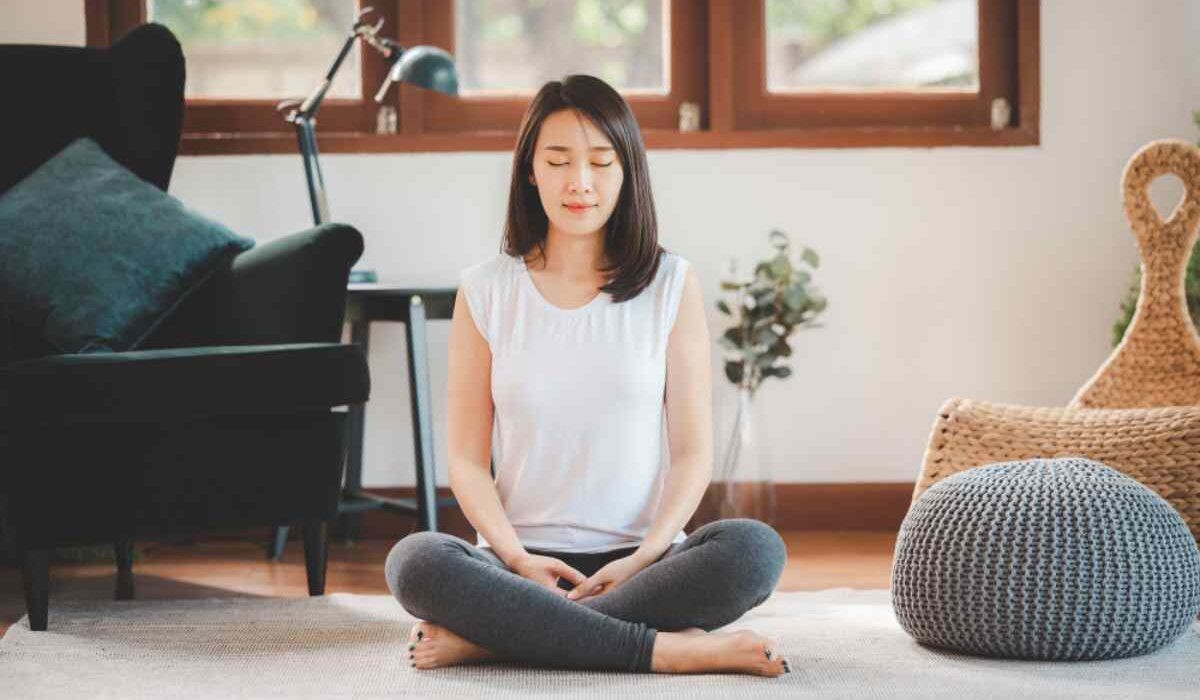
A home is more than a place to sleep or store belongings. In modern lifestyle design, it has become a central environment influencing mental health, physical well-being, productivity, and emotional balance. Studies in environmental psychology and wellness research suggest that the spaces we live in can significantly affect stress levels, sleep quality, cognitive function, and overall happiness.
Creating a home that inspires wellness and balance does not require expensive renovations or luxury furniture. Instead, it requires intentional design choices, thoughtful organization, and an understanding of how different elements—light, air quality, color, nature, and personal habits—affect human health.
Research on nature-integrated interiors highlights the benefits of biophilic design for improving mood and productivity. Studies summarized by the Environmental Psychology for People Initiative show that natural materials and plants can significantly reduce stress in indoor environments.
Principles for a Wellness and Balance Home
A balanced home environment is built on a combination of functionality, comfort, and psychological harmony. When these elements work together, the home becomes a supportive environment that promotes relaxation, productivity, and healthier habits.
The following principles are widely recommended by interior designers and wellness specialists. These principles ensure that a home becomes a supportive environment for daily life rather than a source of stress or distraction.
| Principle | Description | Practical Example | Wellness Benefit |
| Natural Light | Maximizing exposure to daylight | Large windows, mirrors, skylights | Improves mood and circadian rhythm |
| Air Quality | Maintaining clean indoor air | Ventilation systems, air purifiers | Better respiratory health |
| Decluttered Spaces | Reducing unnecessary objects | Minimal décor and organized storage | Lower stress levels |
| Functional Zones | Separate areas for different activities | Work desk, meditation corner, sleep zone | Improved focus and productivity |
| Nature Integration | Bringing nature indoors | Plants, wooden furniture | Reduced stress |
| Comfort & Ergonomics | Furniture designed for comfort | Ergonomic chairs, quality mattress | Better posture and relaxation |
| Personalization | Reflecting personal identity | Art, photos, personal collections | Emotional well-being |
Design Inspiration for Wellness and Balance
Many interior design philosophies around the world emphasize balance, simplicity, and connection with nature. These design approaches can serve as inspiration when creating a wellness-focused home. Design inspiration does not require strict adherence to one style. Many homeowners combine elements from multiple philosophies to create a unique wellness environment.
| Design Style | Country of Origin | Key Concept | Typical Features | Wellness Impact |
| Scandinavian | Denmark, Sweden, Norway | Minimalism and comfort | Neutral colors, natural wood | Calm and peaceful spaces |
| Japanese Zen | Japan | Simplicity and mindfulness | Low furniture, open space | Mental clarity |
| Biophilic Design | Global trend | Connection to nature | Indoor plants, natural textures | Reduced stress |
| Hygge Lifestyle | Denmark | Cozy living and comfort | Candles, soft lighting | Emotional warmth |
| Sustainable Design | Global | Eco-friendly materials | Bamboo, recycled décor | Healthier environment |
Practical Wellness and Balance Upgrades for Any Home
Even small improvements can transform how a home feels and functions. Many wellness upgrades are inexpensive yet highly effective. These upgrades are simple but powerful ways to improve the physical and psychological comfort of a home environment.
| Upgrade | Estimated Cost | Implementation Time | Benefit |
| Indoor Plants | $5 – $50 per plant | 10 minutes | Improves mood and air quality |
| Warm LED Lighting | $10 – $40 per bulb | 15 minutes | Supports evening relaxation |
| Essential Oil Diffuser | $20 – $80 | 5 minutes | Reduces stress |
| Decluttering Storage Bins | $15 – $60 | 1–2 hours | Better organization |
| Meditation Corner Setup | $50 – $200 | 1 hour | Encourages mindfulness |
| Air Purifier | $80 – $400 | 10 minutes | Cleaner air |
| Ergonomic Office Chair | $120 – $600 | 30 minutes | Better posture |
Pricing Guide for Creating a Wellness Home
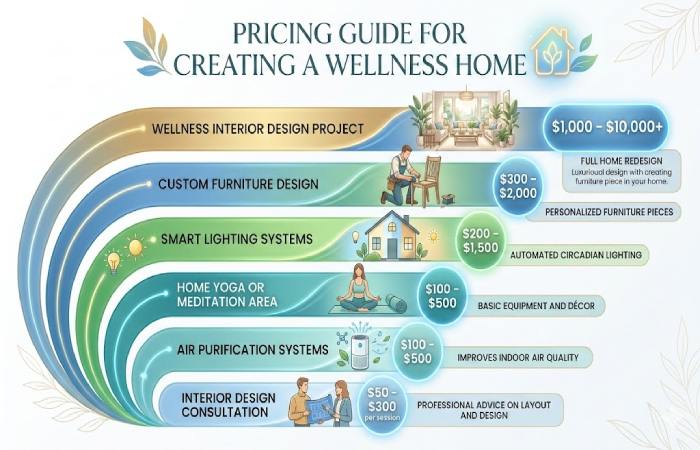
The cost of designing a wellness-focused home varies depending on whether homeowners make small upgrades, hire professionals, or pursue full interior design projects. In India, interior design consultations can start from ₹2,000 to ₹5,000, while full design packages can reach ₹50,000 to ₹1,50,000 or more depending on complexity. Pricing varies widely based on location, materials, and the experience level of the designer.
| Service or Upgrade | Average Price Range | Description |
| Interior Design Consultation | $50 – $300 per session | Professional advice on layout and design |
| Wellness Interior Design Project | $1,000 – $10,000+ | Full home redesign |
| Smart Lighting Systems | $200 – $1,500 | Automated circadian lighting |
| Air Purification Systems | $100 – $500 | Improves indoor air quality |
| Home Yoga or Meditation Area | $100 – $500 | Basic equipment and décor |
| Custom Furniture Design | $300 – $2,000 | Personalized furniture pieces |
Specialists Who Help Create Wellness Homes
Several professionals specialize in designing healthy and balanced living environments.
| Specialist | Role | When to Hire |
| Interior Designer | Designs layout, colors, furniture placement | Full home redesign |
| Wellness Interior Designer | Focuses on health-centered design | Wellness-focused homes |
| Feng Shui Consultant | Aligns home energy with traditional Chinese principles | Energy flow improvements |
| Lighting Designer | Optimizes lighting for mood and circadian health | Lighting upgrades |
| Air Quality Specialist | Improves indoor air systems | Allergy or pollution concerns |
| Ergonomic Consultant | Designs comfortable workspaces | Home office setup |
Hiring specialists may not be necessary for small upgrades, but they can significantly improve results in larger renovation projects.
Country-Wise Popular Wellness Home Trends
Wellness design trends vary around the world depending on cultural values, climate, and lifestyle. Global wellness design trends show a common theme: connection to nature, simplicity, and functional living spaces.
| Country | Popular Wellness Design Trend | Key Elements |
| Japan | Zen minimalist homes | Tatami mats, natural wood |
| Denmark | Hygge comfort living | Cozy lighting and textiles |
| United States | Biophilic interiors | Plants, natural materials |
| India | Vastu-based home design | Directional layouts |
| Australia | Indoor-outdoor living | Large windows and open patios |
| Sweden | Scandinavian minimalism | Bright interiors and simplicity |
What Are the 7 Pillars of Wellness?
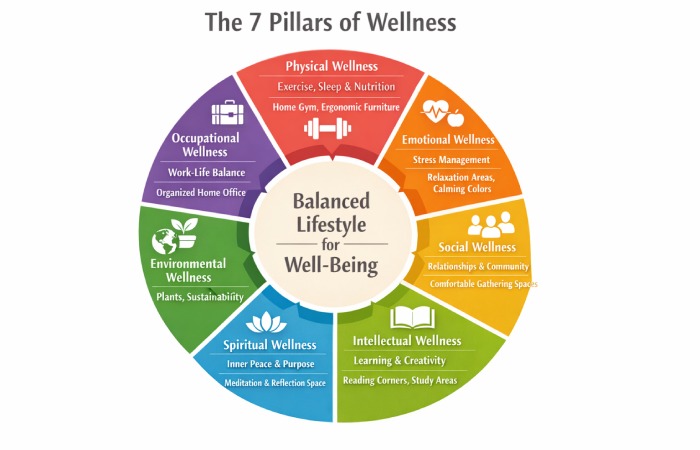
The concept of the 7 pillars or dimensions of wellness is widely used in health and lifestyle research. These pillars represent different aspects of human well-being that together create a balanced life.
When designing a wellness home, these pillars help guide how living spaces can support healthy habits.
| Wellness Pillar | Definition | How Your Home Can Support It |
| Physical Wellness | Maintaining a healthy body through exercise, sleep, and nutrition | Home gym, ergonomic furniture |
| Emotional Wellness | Managing emotions and stress effectively | Relaxation areas and calming colors |
| Social Wellness | Building meaningful relationships | Comfortable gathering spaces |
| Intellectual Wellness | Encouraging learning and creativity | Reading corners or study areas |
| Spiritual Wellness | Seeking purpose and inner peace | Meditation or reflection spaces |
| Environmental Wellness | Living in harmony with surroundings | Plants and sustainable design |
| Occupational Wellness | Satisfaction and balance in work life | Organized home office |
These pillars are interconnected. When one area improves—such as better sleep or reduced stress—other aspects of life often improve as well.
Creating Wellness Zones in Your Home
One practical strategy for implementing these pillars is to create dedicated wellness zones in your home.
| Zone | Purpose | Design Tips |
| Sleep Zone | Rest and recovery | Dark curtains, minimal electronics |
| Work Zone | Productivity and focus | Ergonomic desk and lighting |
| Relaxation Zone | Stress relief | Soft seating and warm lighting |
| Movement Zone | Physical activity | Yoga mat or exercise equipment |
| Social Zone | Connection with others | Comfortable seating arrangement |
These zones help the brain associate specific environments with specific activities, improving habits and routines.
Common Mistakes When Designing a Wellness Home
Even well-intentioned homeowners sometimes create spaces that unintentionally disrupt balance. Avoiding these mistakes can significantly improve the comfort and functionality of living spaces.
| Mistake | Problem | Better Alternative |
| Overcrowded rooms | Visual stress | Minimal décor |
| Poor lighting | Eye strain and fatigue | Layered lighting |
| Too many electronics | Disrupted sleep | Technology-free zones |
| Synthetic fragrances | Indoor pollution | Natural scents |
| Ignoring ventilation | Poor air quality | Open windows regularly |
Reviews and Real Experiences from Homeowners
User reviews and homeowner experiences often reveal how wellness-focused design impacts everyday life. Across many lifestyle discussions and wellness forums, homeowners consistently mention that small environmental changes can significantly influence mental clarity and emotional well-being.
| Experience Category | Common Feedback |
| Improved Sleep | Many homeowners report better sleep after reducing bedroom electronics |
| Reduced Stress | Decluttered environments create mental calm |
| Higher Productivity | Organized home offices increase focus |
| Better Mood | Natural lighting and plants improve happiness |
| Increased Mindfulness | Meditation spaces encourage relaxation routines |
The Future of Wellness and Balance Homes
Wellness design is becoming one of the fastest-growing trends in architecture and interior design. Smart technology, sustainable materials, and mental health awareness are influencing how homes are built and designed.
Future wellness homes may include:
- Smart circadian lighting systems
- Air quality monitoring sensors
- Indoor gardens and living walls
- Noise-reduction architecture
- Wellness-focused furniture and layouts
These innovations aim to transform homes into environments that actively support physical and emotional health.
Final Thoughts
Creating a home that inspires wellness and balance is not about achieving perfection or following a specific design trend. Instead, it involves aligning your living space with your lifestyle, habits, and well-being goals.
By improving lighting, decluttering spaces, adding natural elements, and creating dedicated wellness zones, homeowners can transform ordinary houses into supportive environments that nurture mental clarity, emotional stability, and physical health. A truly balanced home is one that restores your energy, encourages healthy habits, and provides comfort at the end of every day.