
 By
When temporary stroke symptoms disappear within minutes or hours, many people dismiss them as stress, fatigue, or simply getting older. This dangerous assumption overlooks a critical medical event that demands immediate attention. These brief episodes, often lasting less than an hour, serve as warning signals that the brain’s blood supply has been temporarily interrupted—and that a more severe stroke may follow within days or weeks.
Recognizing these warning signs and understanding their connection to broader cardiovascular health can mean the difference between preventing permanent disability and facing life-altering consequences. The same risk factors that threaten brain health also compromise heart function, making comprehensive screening and preventive care essential for long-term wellbeing.
What Happens During a Warning Stroke
A warning stroke occurs when a blood clot temporarily blocks an artery supplying the brain. Unlike a full stroke where tissue dies from prolonged oxygen deprivation, the blockage resolves quickly—either because the clot dissolves naturally or moves to a smaller vessel where it causes no further damage. The brain tissue recovers completely, symptoms vanish, and the person may feel entirely normal within an hour.
This temporary nature creates a false sense of security. Studies show that approximately 10 to 15 percent of people who experience these episodes will have a major stroke within three months, with the highest risk occurring in the first 48 hours. The warning episode reveals that the conditions for stroke already exist: narrowed arteries, unstable plaque, irregular heart rhythms, or other cardiovascular problems that allow clots to form and travel to the brain.
Recognizing the Symptoms That Disappear
The symptoms mirror those of a major stroke but resolve before permanent damage occurs. Sudden weakness or numbness on one side of the body—affecting the face, arm, or leg—is the most common presentation. Speech may become slurred or incomprehensible, or the person may struggle to find words or understand what others are saying.
Vision problems appear suddenly: blurred vision, double vision, or complete loss of sight in one or both eyes. Some people experience severe dizziness, loss of balance, or difficulty walking without an obvious cause. A sudden, severe headache unlike any experienced before can also signal a vascular event in the brain.
The defining characteristic is that these symptoms develop abruptly—not gradually over hours or days—and then resolve completely. Even if symptoms last only five minutes, they require emergency evaluation. The brief duration does not diminish the seriousness of the underlying condition.
The Diagnostic Process After a Warning Episode
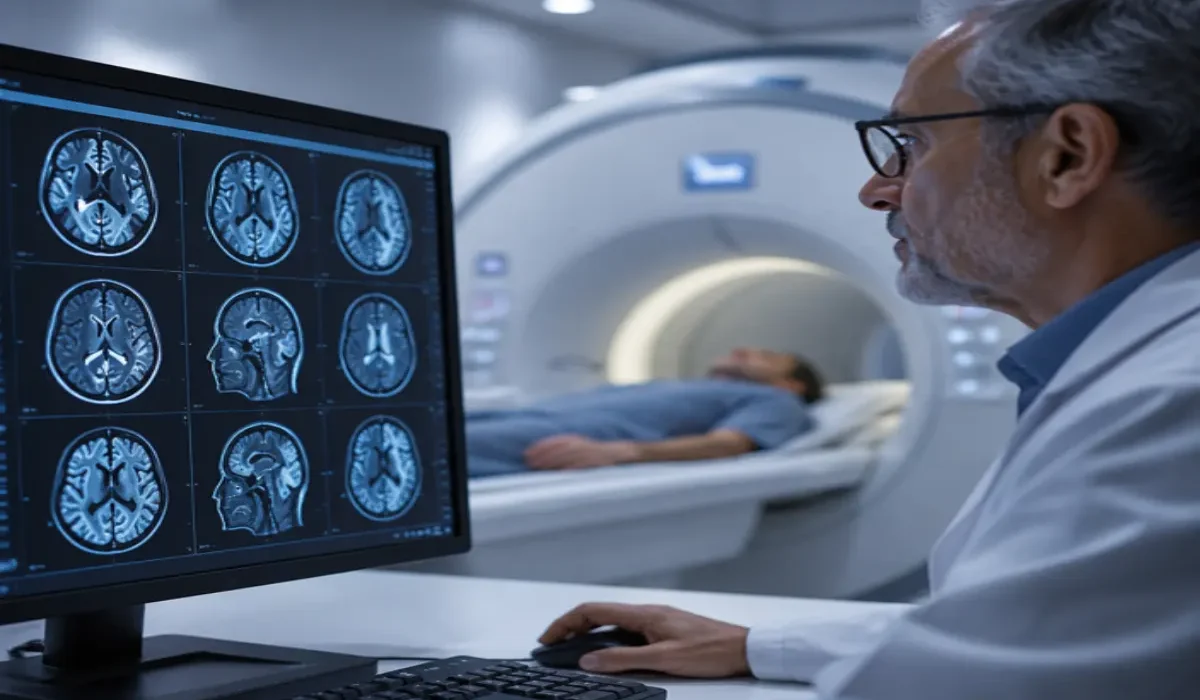
Emergency evaluation begins with brain imaging to rule out active bleeding or tissue damage. CT scans can be performed quickly, while MRI provides more detailed images and can detect very small areas of injury. Many people who believe their symptoms resolved completely are surprised to learn that imaging reveals small areas of permanent brain damage from the episode.
Vascular imaging follows to identify the source of the problem. Ultrasound examines the carotid arteries in the neck for narrowing or plaque buildup. CT or MR angiography visualizes blood vessels throughout the brain to locate blockages, narrowing, or malformations. If these studies reveal significant arterial narrowing—typically 70 percent or more—surgical intervention may be necessary to prevent future strokes.
Heart evaluation is equally important because many warning strokes originate from blood clots that form in the heart and travel to the brain. An electrocardiogram checks for irregular rhythms, particularly atrial fibrillation, which increases stroke risk five-fold. Echocardiography uses ultrasound to examine heart structure and function, looking for conditions that promote clot formation such as valve problems, reduced pumping efficiency, or structural abnormalities.
Understanding Your Stroke Risk Through Comprehensive Screening
Beyond the immediate diagnostic workup, understanding personal risk factors helps guide prevention strategies. Blood tests measure cholesterol levels, blood sugar, and inflammatory markers that contribute to arterial disease. Diabetes, high blood pressure, elevated cholesterol, and smoking each independently increase stroke risk, and their effects multiply when combined.
Recognizing the warning signs of a tia has become increasingly important as advanced diagnostic imaging allows specialists to identify subtle vascular changes before they cause permanent damage. Modern screening programs can detect arterial narrowing, measure plaque stability, and assess overall cardiovascular health through non-invasive testing, enabling targeted interventions that reduce stroke risk by 80 percent or more when combined with appropriate medication and lifestyle changes.
Women face unique considerations in stroke prevention. Pregnancy, birth control pills, hormone replacement therapy, and conditions like preeclampsia all influence vascular health. Migraine with aura also increases stroke risk, particularly when combined with smoking or hormonal contraceptives. These factors make individualized screening particularly important for women throughout different life stages.
Treatment Strategies That Prevent Future Strokes
Antiplatelet medications form the foundation of stroke prevention after a warning episode. Aspirin prevents platelets from clumping together to form clots, while medications like clopidogrel provide additional protection. Many people receive dual antiplatelet therapy—two medications simultaneously—for several weeks after a high-risk warning stroke, then transition to single-drug therapy for long-term prevention.
When atrial fibrillation or other cardiac sources of clots are identified, anticoagulants may be necessary. These medications work differently from antiplatelets by interfering with the blood’s clotting cascade. The choice between antiplatelet and anticoagulant therapy depends on the specific mechanism causing strokes in each individual.
Statins lower cholesterol but also stabilize arterial plaque, making it less likely to rupture and trigger clots. Blood pressure control is critical—even modest reductions significantly decrease stroke risk. Target blood pressure typically falls below 140/90 mmHg, though more aggressive control to 120/80 mmHg may benefit some high-risk individuals.
Surgical interventions address severe arterial narrowing. Carotid endarterectomy removes plaque buildup from the carotid arteries through a neck incision. Carotid stenting achieves similar results through a catheter-based approach. Both procedures reduce stroke risk when performed on carefully selected patients with significant narrowing who have recently experienced warning symptoms.
The Connection Between Brain Health and Cancer Screening
The same advanced imaging technologies that detect stroke risk also play essential roles in cancer detection and monitoring. Many people receiving cardiovascular screening also benefit from comprehensive cancer screening programs, particularly as they age. Regular health monitoring through established medical facilities that offer integrated diagnostic services ensures that multiple risk factors receive attention simultaneously.
For instance, facilities like Kauvery Hospital on Radial Road demonstrate how multi-specialty centers can coordinate preventive care across different medical disciplines, allowing patients to address cardiovascular health, cancer screening, and other health needs through unified care teams. This integrated approach helps identify risk factors that might otherwise be missed when care is fragmented across multiple independent providers.
Cancer survivors face elevated stroke risk due to certain treatments. Radiation therapy to the chest can damage blood vessels years after treatment ends, while some chemotherapy drugs increase clotting risk. Managing these long-term effects requires ongoing monitoring and preventive strategies that balance cancer surveillance with cardiovascular protection.
Lifestyle Modifications That Protect Brain and Heart
Medication alone cannot eliminate stroke risk—lifestyle factors contribute significantly to vascular health. Smoking cessation produces dramatic risk reduction, with stroke risk dropping by 50 percent within two years of quitting and approaching that of never-smokers after five years. The benefits extend beyond stroke to include reduced cancer risk and improved overall health.
Regular physical activity strengthens the cardiovascular system and helps control weight, blood pressure, cholesterol, and blood sugar. Aim for 150 minutes of moderate-intensity activity weekly—brisk walking, cycling, swimming, or any activity that elevates heart rate. Maintaining strength and stamina during serious illness demonstrates how physical activity supports recovery and resilience even when facing significant health challenges.
Dietary patterns profoundly influence vascular health. Mediterranean-style eating—emphasizing vegetables, fruits, whole grains, fish, olive oil, and nuts while limiting red meat and processed foods—reduces stroke risk by approximately 30 percent. Sodium restriction helps control blood pressure, with most adults benefiting from consuming less than 2,300 milligrams daily.
Alcohol consumption requires careful consideration. Light to moderate drinking (up to one drink daily for women, two for men) may offer modest cardiovascular benefits, but heavy drinking substantially increases stroke risk. For people who don’t currently drink, starting is not recommended as a health measure.
Moving Forward After a Warning
Experiencing warning stroke symptoms changes everything. What seemed like an isolated episode reveals underlying vascular disease that demands attention. The good news is that early detection provides an opportunity to intervene before permanent damage occurs. With appropriate medication, lifestyle changes, and when necessary, surgical intervention, the majority of future strokes can be prevented.
Success requires sustained commitment. Medications must be taken consistently, follow-up appointments kept, and lifestyle modifications maintained over years, not just weeks or months. Support from family members and healthcare providers helps maintain motivation when the immediate crisis has passed but the underlying risk remains.
The warning stroke is exactly that—a warning. Heeding it protects not just the brain, but overall health and quality of life for decades to come.